Innovative Elderly Cognitive Support Approaches
Innovative senior memory care strategies address the challenging obstacles encountered by people who have cognitive impairments. By using technology, community support, and motivating activities, these approaches work to enhance life experience. Wearable devices and digital tools play a critical role in ensuring safety and facilitating cognitive stimulation. However, the effectiveness of these strategies is based on various factors that necessitate additional investigation. What specific advancements are proving most beneficial in real-world settings?
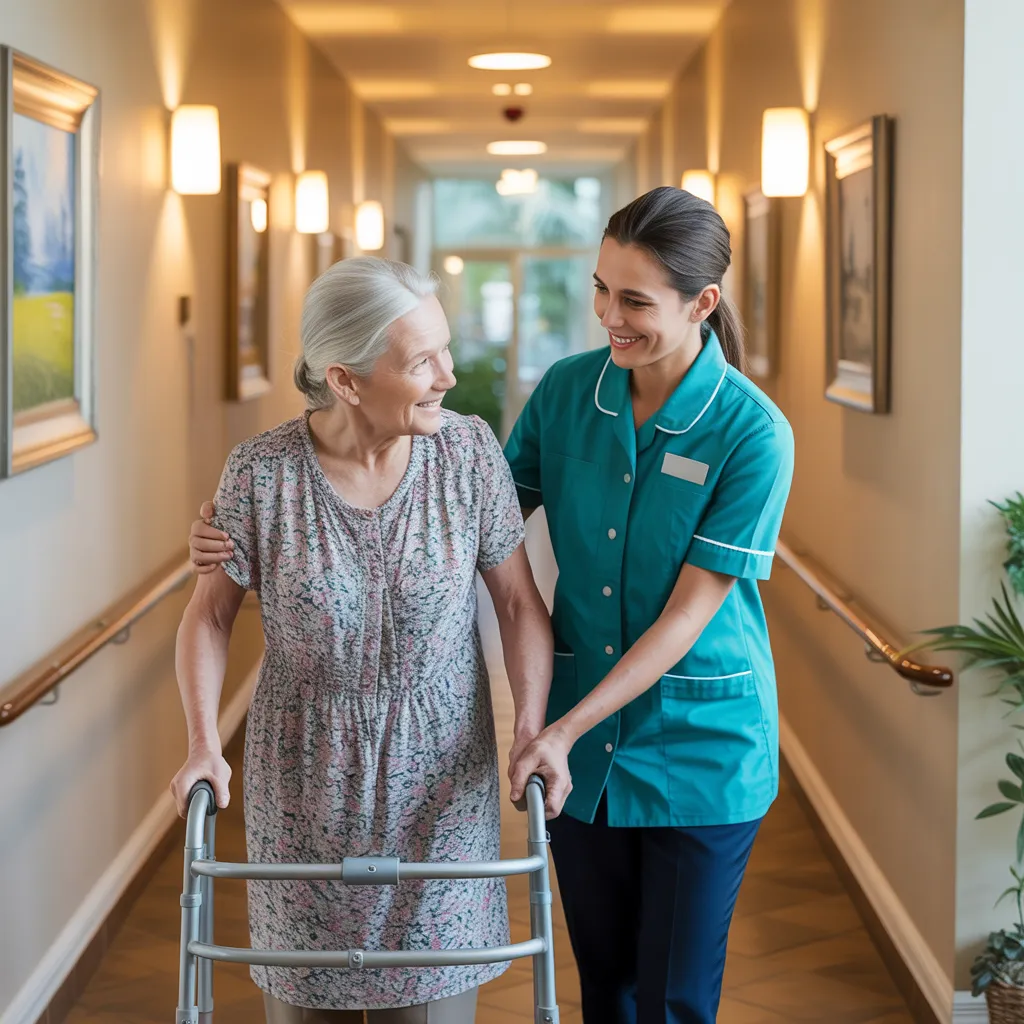
Understanding Cognitive Support Challenges: The Requirement for New Solutions
As the elderly population continues to grow, understanding the difficulties associated with memory care becomes increasingly vital. Memory-related conditions, such as Alzheimer's and dementia, present unique challenges that require customized methods. Caregivers often face both emotional and physical pressure, as patients may exhibit unpredictable behaviors and different degrees of cognitive decline.
Additionally, the lack of comprehension about productive communication strategies can hinder interactions between caregivers and patients, causing exasperation on both sides. The necessity for specialized training in memory care is imperative, because ordinary caregiving methods may not satisfy the distinct needs of individuals with cognitive impairments.
Furthermore, the stigma surrounding memory disorders can marginalize both patients and their families, making difficult access to support resources. Addressing these challenges through innovative strategies and improved education is essential for improving the quality of life for those affected by memory loss and promoting a more empathetic care environment.
The Importance of Tech in Cognitive Care Innovations
Technology is modernizing memory care by introducing advancements in the field of wearable devices and digital memory tools. These breakthroughs strengthen monitoring and support for individuals dealing with cognitive decline. Through integrating such technologies, caregivers can more effectively handle the unique needs of seniors and improve the overall life quality.
Wearable Tech Improvements
Wearable equipment has become a innovative tool in memory care, improving the quality of life for individuals facing cognitive impairments. Devices such as smartwatches and fitness trackers feature abilities that monitor essential signs, track physical activity, and provide reminders for routine tasks. These features not only promote physical health but also foster cognitive engagement by supporting structure and routine. Furthermore, GPS-enabled wearables grant peace of mind by enabling caregivers to track the location of individuals, reducing wandering risks. The integration of these technologies supports independence while maintaining safety, making them crucial in modern memory care strategies. As the field advances, wearable technology holds significant promise for bettering outcomes in this population.
Online Memory Tools
Innovative digital memory tools are reshaping the field of memory care, providing essential support for individuals facing mental difficulties. These tools often include easy-to-use applications designed to improve memory recall, facilitate communication, and promote engagement through interactive activities. Technologies such as digital calendars, reminder systems, and cognitive training games empower users to maintain independence while fostering social connections. Additionally, virtual reality experiences offer immersive environments that can stimulate memory and emotional well-being. Caregivers also benefit from these tools; they can monitor progress and customize interventions based on individual needs. As technology continues to advance, digital memory tools play a pivotal role in enhancing the quality of life for seniors, making personalized care more accessible and effective.
The Way Virtual Reality Elevates Memory Recall in Seniors
Virtual reality delivers seniors an captivating experience that can significantly improve memory recall. By engaging in cognitive activities within these virtual environments, individuals can more successfully engage their mental faculties. Additionally, personalized memory interventions designed around each senior's experiences can increase the effectiveness of these strategies.
Benefits of an Engaging Encounter
As technology develops, immersive experiences such as virtual reality (VR) have arisen as powerful tools in enhancing memory recall among seniors. These experiences create engaging environments that enhance cognitive functions, allowing participants to navigate familiar settings or revisit cherished memories. Research indicates that VR can evoke emotional connections, which are essential for memory retrieval. By immersing seniors in nostalgic scenarios, VR enhances sensory engagement, making recollection more vivid and accessible. Additionally, this technology allows for customized experiences, fitting individual preferences and histories. The interactive nature of VR encourages participation, promoting social interactions that can further support memory enhancement. Overall, immersive experiences provide a promising approach to improving cognitive health in the aging population.
Captivating Mental Activities
The incorporation of engaging technologies has created new avenues for engaging cognitive activities that bolster memory recall in seniors. Virtual reality (VR) provides a unique platform for seniors to engage in captivating environments that trigger familiar memories and experiences. By immersing individuals in carefully designed scenarios, VR can enhance cognitive engagement and promote mental stimulation. Activities such as virtual travel or interactive games allow seniors to exercise their memory in a dynamic way, cultivating both emotional and cognitive connections. Additionally, these experiences can be tailored to individual preferences, further enhancing their effectiveness. As seniors explore these virtual worlds, they can not only exercise their memory but also enjoy social interactions, minimizing feelings of isolation and enhancing overall well-being.
Tailored Recall Methods
Many classic memory interventions revolve on standardized activities, but personalized memory interventions leveraging immersive technology provide a bespoke method that can substantially improve memory recall in seniors. For example, virtual reality (VR) applications generate immersive environments that evoke specific memories, motivating seniors to engage with familiar settings from their past. This technology supports emotional connections that make memories easier to access. By tailoring experiences based on individual histories, preferences, and cognitive levels, VR can activate neural pathways that might otherwise be inactive. Furthermore, these interventions encourage social interaction, as seniors share their stories with peers or caregivers, which further supports memory retention. Ultimately, personalized VR experiences offer a promising path for enhancing cognitive function in the aging population.
Varieties of Compelling Exercises to Promote Social Connectivity and Cognitive Growth
Encouraging older adults to participate in tasks that foster social interaction and cognitive growth is important for improving their quality of life. Various activities are effective in achieving these goals. Group games like bingo or trivia promote teamwork and boost memory recall, encouraging social connections among players. Arts and crafts sessions offer avenues for self-expression while developing fine motor skills and creativity.
Book clubs facilitate talks that foster critical thinking and sharing diverse perspectives, further enriching essential information social connections. Music therapy, featuring sing-alongs or instrument playing, can awaken mental images and emotional responses, enhancing cognitive engagement.
Gardening activities not just give physical activity but also produce opportunities for collaboration and exchanges about nature. Furthermore, cooking classes offer seniors to engage in a sensory experience while learning new skills. Together, these activities establish an enriching environment that supports both social interaction and cognitive health, ultimately improving overall well-being.
Memory Care Plans Grounded in Community: Strengthening Support Networks
Community-based memory care programs play an essential role in bolstering support networks for seniors facing cognitive challenges. These programs foster relationships among individuals, families, and caregivers, creating a robust network that enhances the quality of life for participants. By offering various services, such as educational workshops, support groups, and social activities, these programs enable seniors and their families to navigate the complexities of memory loss together.
Moreover, community-driven initiatives foster inclusivity, encouraging seniors to connect with their neighborhoods. This interaction cuts down feelings of isolation and fosters a sense of togetherness, which is necessary for emotional well-being. Additionally, these programs often partner with local organizations, healthcare providers, and volunteers, ensuring that resources are available and suited for the unique needs of participants. Ultimately, community-based memory care programs serve as vital supports, enhancing resilience and support for seniors struggling with cognitive decline.
Ways to Determine the Effectiveness of Memory Care Strategies?
What is the best method to accurately assess the efficacy of memory care strategies? Evaluating these approaches requires a comprehensive method. Critical metrics include cognitive function assessments, behavioral changes, and emotional well-being. Standardized tests like the Mini-Mental State Examination (MMSE) can track cognitive improvements or declines over time.
Moreover, caregiver feedback offers important insights into daily interactions and community involvement. Observing residents in different settings—both structured activities and free time—can reveal the strategies' impact on well-being.
Surveys capturing satisfaction among residents and families also provide valuable indicators of success. Additionally, monitoring hospitalization rates or emergency visits can underline the effectiveness of proactive measures.
Frequently Asked Questions
What are the symptoms that a elderly person needs memory support?
Indications that a elderly person might need memory care are frequent disorientation, memory loss impacting daily life, difficulty performing familiar tasks, withdrawal from social activities, changes in mood or behavior, and concerns about safety in their living environment.
In What Ways Can Loved Ones Support Seniors in Memory Support?
By maintaining regular communication, participating in activities together, supporting personalized care, offering emotional reassurance, and developing a familiar environment that encourages comfort and connection throughout the care process, families can support seniors in memory care.
Understanding the Price of Memory Care Options
The expense of memory support services typically is between $3,000 to $7,000 per month, depending on location and facility features. Families often find these costs challenging, requiring careful financial planning and support.
What memory care options are available for early dementia?
Yes, several memory care choices are available for people with early-stage dementia. These may include specialized assisted living facilities, day programs, and in-home care services tailored to support mental well-being and enhance quality of life.
How do I decide on the right cognitive care home?
Picking the proper memory care location involves researching alternatives, visiting in-person, reviewing staff credentials, examining safety measures, and thinking about resident activities. Honest reviews and recommendations can also guide families in making informed decisions.